
Technical Insights

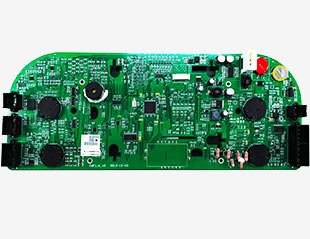
Automotive Electronics Manufacturing: Key Requirements from PCBA to Quality Traceability
As vehicles become increasingly electrified, intelligent, and connected, the number of electronic systems and components used in modern vehicles continues to grow. From body control and sensor modules to infotainment systems and electronic control units, automotive electronics must operate reliably under temperature fluctuations, vibration, humidity, and long-term use.
For this reason, automotive electronics manufacturing requires more than SMT, DIP, and PCBA assembly capabilities. It also demands strict control over quality consistency, process stability, and production traceability.
For automotive electronics brands and system suppliers, selecting the right EMS manufacturing partner means evaluating not only production capabilities, but also the manufacturer’s ability to maintain consistent quality throughout long-term production.
How Is Automotive Electronics Manufacturing Different?
Consumer electronics manufacturing often focuses on functionality, cost, time-to-market, and production efficiency. Automotive electronics, however, must also meet the demands of longer product lifecycles and more challenging operating environments.
Automotive electronic modules may operate for many years while being exposed to temperature changes, vibration, humidity, and varying electrical conditions. Even when a product functions correctly at the time of shipment, inconsistent manufacturing processes may affect its long-term reliability.
Automotive electronics manufacturing therefore places greater emphasis on:
- Process consistency and stability
- Material and component management
- Production batch and process records
- Quality inspection and functional testing
- Failure analysis and corrective actions
- Product and material traceability
The goal is not simply to manufacture a functional product, but to ensure that every production batch is manufactured under controlled and repeatable conditions.
What Are the Key Requirements for Automotive PCBA Manufacturing?
PCBA is at the core of many automotive electronic products. Automotive PCBA manufacturing may include SMT, DIP, soldering, AOI, functional testing, and final assembly, but the key challenge is maintaining consistent quality while minimizing process variation.
Factors such as solder paste printing, component placement, reflow conditions, and solder joint quality can all affect long-term PCBA reliability. Connectors, larger components, wiring, and mechanical assemblies also require standardized assembly and inspection procedures.
An automotive EMS manufacturer therefore needs more than production equipment. Effective process control, quality inspection, and testing systems are equally important for maintaining consistent production quality.
Why Is Traceability Important in Automotive Electronics Manufacturing?
Traceability is an essential part of automotive electronics manufacturing.
When a quality issue occurs, the manufacturer should be able to identify:
When was the product manufactured? Which material batches were used? What processes did it go through? What tests were performed?
Depending on the product and customer requirements, traceability records may include:
- Production date and batch
- PCB or PCBA serial number
- Key material lot numbers
- Process and inspection records
- Functional test results
- Failure and repair records
For example, if an automotive electronic module develops a field issue, complete traceability records can help determine whether the problem is associated with a specific material lot, production batch, or manufacturing condition.
Traceability is therefore more than record keeping. It enables manufacturers and customers to identify potential root causes more efficiently and take appropriate corrective actions.
IATF 16949 and Automotive Electronics Quality Management
The automotive industry has strict requirements for supply chain quality management, and IATF 16949 is one of the key quality management standards used throughout the automotive industry.
Its purpose is not simply to increase inspection procedures, but to establish systematic processes that reduce manufacturing variation and quality risks.
Automotive quality management typically covers areas such as:
- Process and quality risk management
- Supplier and material management
- Production and quality records
- Nonconforming product control
- Root cause analysis
- Corrective and preventive actions
When evaluating an automotive EMS partner, customers should therefore look beyond whether a factory is capable of manufacturing the product. The manufacturer’s quality management system and its ability to consistently execute those processes are equally important.
From Prototype to Mass Production
Before an automotive electronic product enters mass production, it typically goes through prototype builds, pilot production, and manufacturing process validation.
The purpose of pilot production is not only to manufacture a small quantity of products. It also helps identify potential manufacturing issues related to component placement, soldering, assembly methods, and testing procedures before full-scale production begins.
Once mass production starts, the key question changes from:
“Can this product be manufactured?”
to:
“Can every production batch be manufactured consistently?”
Production yield, process stability, material quality, test results, and corrective action records therefore become important factors in maintaining long-term manufacturing quality.
How to Choose an Automotive EMS Manufacturing Partner
When selecting an automotive EMS manufacturing partner, price and equipment are only part of the evaluation. Several additional capabilities should also be considered.
Automotive Electronics Manufacturing Experience
Does the manufacturer understand automotive requirements for quality, documentation, testing, and traceability?
Integrated PCBA Manufacturing Capabilities
Can the manufacturer provide SMT, DIP, inspection, testing, and final assembly within an integrated manufacturing process?
Quality and Traceability Management
Can production records be maintained from materials and manufacturing through inspection and testing?
Mass Production and Supply Chain Management
Can the manufacturer support long-term material management and stable mass production?
A qualified automotive EMS partner should do more than complete a single production order. The goal is to establish a stable, repeatable, and traceable manufacturing process for long-term production.
EEC Automotive Electronics Manufacturing Services
EEC provides integrated EMS manufacturing services, including material sourcing, SMT, DIP, PCBA assembly, testing, and final product assembly, with manufacturing experience supporting automotive electronics supply chains.
Through quality management, process control, and production traceability, EEC supports customers from pilot production through stable mass production based on different automotive electronics manufacturing requirements.
If you are looking for an automotive PCBA or EMS manufacturing partner, contact EEC to discuss your product requirements and production needs.